

Apparel Patternmaker vs. Apparel Technical Designer: What's the difference??
- Reyburn Brown

- Jul 1
- 3 min read
When it comes to creating clothing, many people confuse the roles of an apparel patternmaker and a technical designer. Both are essential in the fashion industry, but their skills and responsibilities differ significantly. To understand these differences, imagine ordering take-out food versus being a chef who shops, chops, cooks, and serves a meal. This analogy helps clarify what each role entails and why both are crucial for producing well-fitting, stylish garments.

What Does a Technical Designer Do?
A technical designer acts like a person ordering take-out. They focus on the details that ensure a garment fits well and meets the brand’s standards without actually making the clothing themselves. Their job involves:
Reviewing designs and sketches from fashion designers
Creating detailed tech packs that include measurements, fabric types, stitching details, and construction notes
Communicating with factories and manufacturers to clarify specifications
Conducting fit sessions to evaluate how garments fit on models or fit samples
Troubleshoot and suggest adjustments
Technical designers work closely with designers and production teams to make sure the final product matches the original vision. They don’t sew or cut fabric but know exactly how a garment should look and fit.
Apparel Technical Design Compared to Ordering Take-Out
Ordering take-out means you choose what you want from a menu, specify your preferences, and wait for the meal to arrive. You don’t cook or prepare the food yourself, but you expect it to meet your expectations. Similarly, a technical designer specifies every detail needed for production and ensures the garment fits well, but they rely on others to create the actual pieces.
What Does an Apparel Patternmaker Do?
An apparel patternmaker is like the chef who shops for ingredients, chops vegetables, cooks the meal, and plates it beautifully. They transform a designer’s sketch into a physical pattern that guides the cutting and sewing of fabric. Their responsibilities include:
Drafting patterns based on design sketches and measurements
Adjusting patterns to improve fit and style
Creating prototypes and samples by cutting fabric and assembling pieces
Collaborating with technical designers to refine fit and construction
Understanding fabric behavior and garment construction techniques
Patternmakers combine technical skill with creativity. They must understand how flat patterns translate into three-dimensional garments and how to manipulate fabric to achieve the desired look and fit.
Apparel Patternmaking Compared to Being a Chef
A chef controls every step of the cooking process, from selecting fresh ingredients to plating the final dish. They adjust flavors and textures as they go, ensuring the meal tastes perfect. Similarly, a patternmaker controls the garment’s shape and fit by creating and modifying patterns, testing samples, and making hands-on adjustments.

Why Both Roles Matter
Without a technical designer, a garment might not meet fit or quality standards, leading to costly production errors. Without a patternmaker, the garment cannot be physically created or properly shaped. Both roles require a deep understanding of fit, fabric, and construction, but they apply their expertise differently.
For example, if a jacket’s sleeve is too tight, the technical designer will note the problem and communicate the needed change. The patternmaker will then adjust the sleeve pattern, cut a new sample, and test the fit until it meets expectations.
How These Roles Work Together
Successful garment production depends on smooth collaboration between technical designers and patternmakers. The technical designer provides clear instructions and fit feedback, while the patternmaker uses those details to create patterns and samples. This teamwork ensures the final product fits well, looks great, and can be manufactured efficiently.
What Skills Should You Develop for Each Role?
If you want to become a great technical designer, focus on:
Understanding garment construction and fit principles
Learning how to create detailed tech packs
Developing strong communication skills for working with teams
Gaining experience in fit evaluation and problem-solving
If you aim to be a great patternmaker, prioritize:
Mastering pattern drafting and garment construction
Learning sewing and sample making techniques
Understanding fabric behavior and how it affects fit
Developing hands-on skills in cutting and assembling garments
Final Thoughts
The difference between an apparel patternmaker and a technical designer is like cooking a meal versus ordering takeout. The technical designer plans and specifies every detail to ensure the garment fits and functions well, much like ordering a meal with specific preferences. The patternmaker brings that plan to life by creating the patterns and samples, similar to a chef preparing and serving a dish.


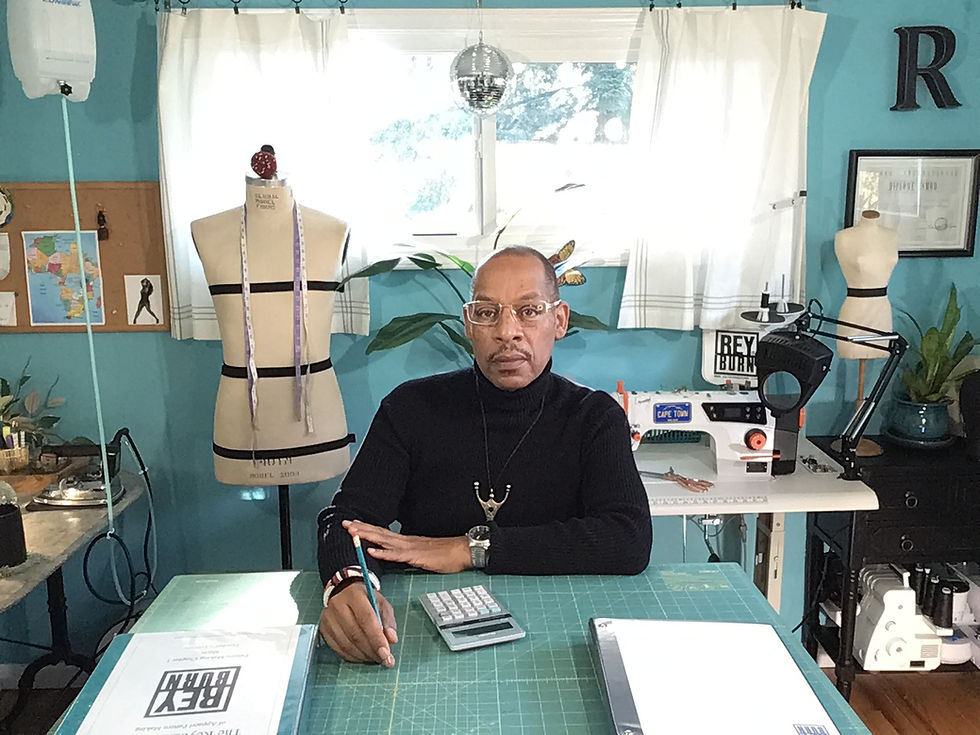


"Most American Apparel brands love to order take out but hate to cook."