

Why Pattern Making and Sewing Matter in Fashion Design
- Reyburn Brown

- Jan 16
- 3 min read
Updated: Aug 15
Designing clothes is more than sketching pretty images or choosing fabrics. It involves understanding how fabric behaves, how shapes come together, and how to solve problems that arise during garment construction. Pattern making and sewing give designers this understanding.
Better Communication with Production Teams
Designers who can make patterns and sew communicate clearly with other pattern makers, sample makers, and manufacturers. They understand technical terms and challenges, which reduces errors and speeds up production.
Improved Fit and Silhouette
When you draft your own patterns and sew prototypes, you can test and adjust the fit directly. This hands-on process leads to garments that flatter the body and match your design intent.
Creative Freedom and Innovation
Knowing how to manipulate patterns and sew allows you to experiment with shapes, textures, and construction techniques. You can push boundaries instead of relying on standard templates.
Cost and Time Savings
Making your own samples helps catch design flaws early. You avoid costly mistakes and reduce back-and-forth with manufacturers.
Many successful designers credit their pattern making and sewing skills for their ability to create unique, well-crafted collections. Without these skills, designs often remain flat drawings that don’t translate well into real garments.
How Pattern Making and Sewing Change the Designer’s Approach
Designers who dislike pattern making and sewing often treat it as a chore or a technical hurdle. They focus on aesthetics alone and leave the technical work to others. This approach can limit creativity and lead to frustration.
By contrast, designers who embrace pattern making and sewing:
See Design as a Full Process
They understand that design includes concept, technical development, and construction. This holistic view leads to stronger, more cohesive collections.
Develop Problem-Solving Skills
When sewing, you encounter issues like fabric stretch, seam puckering, or fit problems. Learning to fix these builds resilience and sharpens your eye for detail.
Gain Confidence in Their Ideas
Making a garment from start to finish proves that your design works in reality. This confidence shows in your portfolio and presentations.
Build a Unique Signature Style
Hands-on skills let you create custom details and shapes that set your work apart.
Practical Tips to Embrace Sewing and Pattern Making
If you want to improve your skills, here are some steps to get started:
Start Small and Build Up
Start with easy projects like an apron, a basic pair of shorts, or a simple skirt.
Practice sewing straight seams, darts, and hems.
Draft simple patterns using basic blocks and modify them gradually.
Take Classes or Workshops
Look for online sewing or pattern making courses.
Online tutorials and video lessons can supplement hands-on learning.
Join sewing groups or a blog to share tips and get feedback.
Use Quality Tools and Materials
Invest in a reliable sewing machine and sharp scissors.
Choose fabrics that are easy to handle for beginners, such as cotton or linen.
Use quality pattern paper and rulers designed for garment making.
Experiment and Learn from Mistakes
Make muslins (test garments) before cutting expensive fabric.
Take notes on what works and what doesn’t.
Don’t be afraid to rip seams and try again.
Collaborate with Skilled Makers
Work with experienced sew technicians or pattern makers to learn new tricks and techniques.
Observe their techniques and ask questions.
Over time, try to replicate their methods on your own.

Real-Life Example: Designers Who Mastered Pattern Making and Sewing
Take the example of a well-known designer who started with no sewing skills but committed to learning. By practicing pattern making and sewing, they gained the ability to create complex garments with precision. Their collections became known for perfect fit and innovative shapes, attracting attention from buyers and fashion editors.
Another case is a designer who avoided sewing and relied entirely on others. Their designs often failed to translate well into garments, leading to costly revisions and lost opportunities. This contrast shows how essential these skills are for long-term success.
Stay inspired. Reyburn


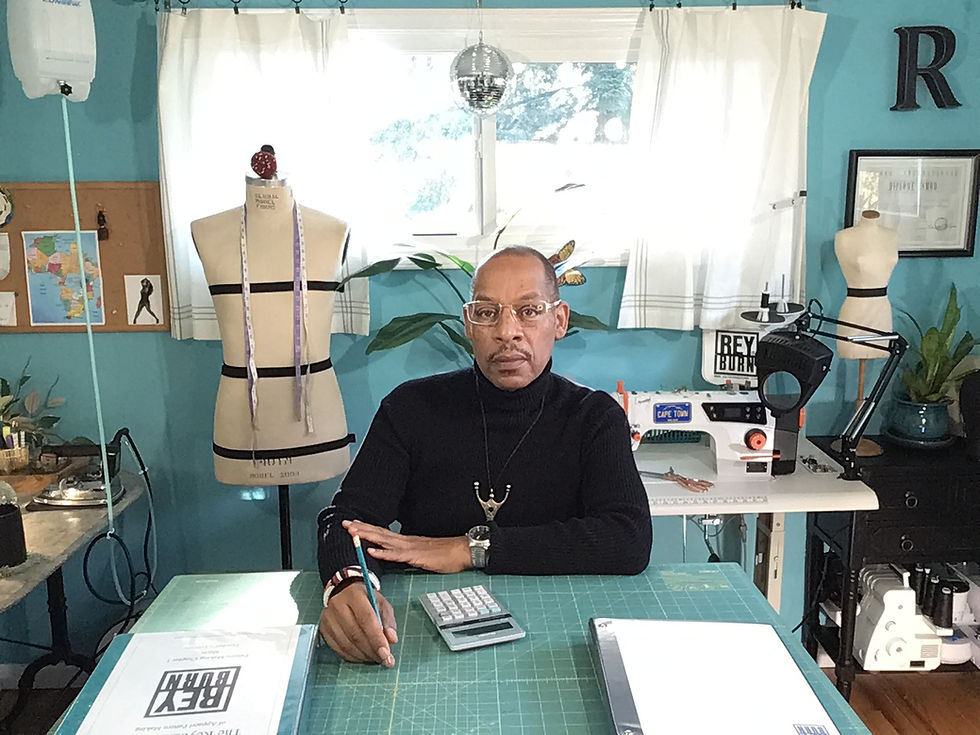


"I'm sew inspired." Reyburn